

Upcoming Events in San Jose
at California Theatre - San Jose The Cher Show Mar 19 | 7:30 PM | Wednesday
at San Jose Center For The Performing Arts The Cher Show Mar 20 | 7:30 PM | Thursday
at San Jose Center For The Performing Arts The Cher Show Mar 23 | 6:30 PM | Sunday
at San Jose Center For The Performing Arts Six The Musical Apr 27 | 1:00 PM | Sunday
at San Jose Center For The Performing Arts Moulin Rouge - The Musical Jul 8 | 7:30 PM | Tuesday
at San Jose Center For The Performing Arts MJ - The Musical Jul 31 | 7:30 PM | Thursday
at San Jose Center For The Performing Arts


Imagine you’ve just been diagnosed with a severe allergic reaction or an autoimmune disease flare-up. Your doctor prescribes prednisone to quickly reduce inflammation and help your body get back on track. Prednisone is a powerful corticosteroid medication commonly used to manage diverse conditions, from asthma attacks to arthritis. But like any medication, it comes with pros and cons that are important to understand before starting treatment.
Benefits of Prednisone in Treating Inflammatory Conditions
Prednisone works by mimicking the effects of cortisol, a natural hormone produced by your adrenal glands. It suppresses inflammation and reduces immune system activity, which makes it highly effective in treating conditions like lupus, rheumatoid arthritis, and severe allergies. This rapid anti-inflammatory action can provide much-needed relief when other treatments aren’t working fast enough.
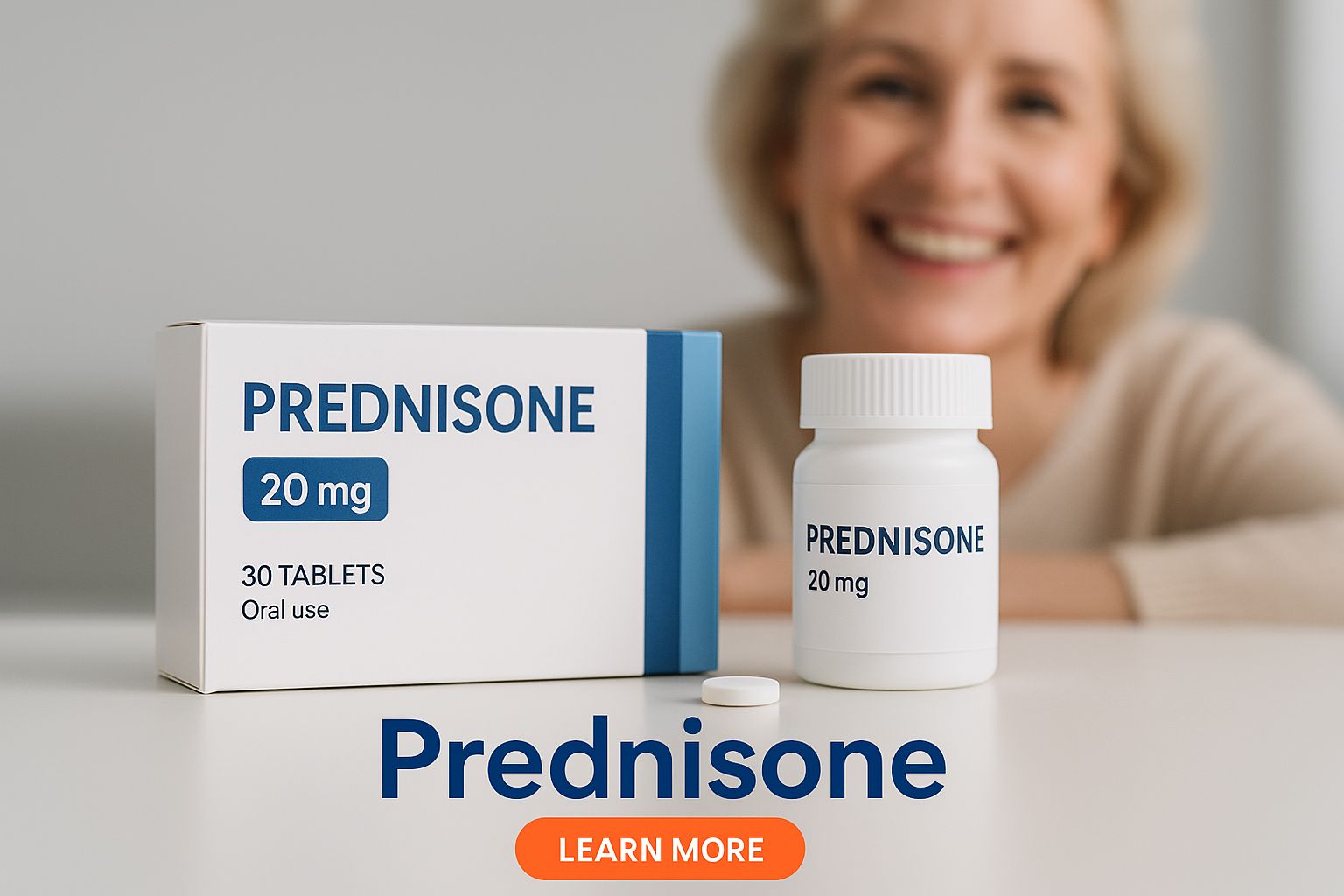
One of the reasons prednisone is widely prescribed is its versatility. Available in multiple dosages, including prednisone 5mg and prednisone 20mg tablets, it allows for tailored treatment across different severities. Whether you need a low-dose maintenance plan or a short burst of high-dose therapy, prednisone can be adjusted accordingly. Some people also seek Canadian prednisone or look for online generic prednisone options, often because of cost or availability.
Sometimes, while researching medication options, patients come across resources for other drugs and treatments. For example, if you’re interested in learning about alternative medications for other health concerns, you might find articles about cheap levitra or discount kamagra helpful.
Side Effects and Risks Associated with Prednisone Use
Despite its effectiveness, prednisone is not without risks. Short-term use typically causes few issues, but long-term or high-dose treatment can lead to side effects like weight gain, mood swings, increased blood sugar, and elevated blood pressure. It may also weaken your immune system, making you more prone to infections.
Another significant concern is adrenal suppression. Since prednisone mimics cortisol, prolonged use can cause your body's adrenal glands to produce less natural cortisol. Stopping prednisone suddenly after long-term use can precipitate adrenal insufficiency, a serious condition requiring gradual tapering of the dose under medical supervision.
For detailed medical information on prednisone’s side effect profile, you can check authoritative sources such as the FDA’s prednisone patient information page.
Managing Side Effects
To minimize adverse effects, healthcare providers often recommend using the lowest effective dose for the shortest duration possible. Lifestyle adjustments like maintaining a balanced diet, regular exercise, and monitoring for mood changes can also help.
If you're curious about how medications like prednisone differ from others used to manage health conditions, resources like priligy offer useful information on different drug classes and their applications.
How Prednisone Compares to Other Corticosteroids
Prednisone belongs to a class of corticosteroids that include drugs like methylprednisolone and dexamethasone. Compared to these, prednisone is often preferred for its balance of potency and duration of action, making it suitable for a wide range of conditions.
While methylprednisolone may be favored in intravenous treatments due to its rapid onset, prednisone's oral forms make it convenient for outpatient care. Dexamethasone is significantly more potent and longer-acting, but its stronger effect can increase the risk of side effects.
| Medication | Potency Compared to Prednisone | Typical Uses |
|---|---|---|
| Prednisone | 1x (reference) | Chronic inflammation, autoimmune diseases, allergies |
| Methylprednisolone | 1.25x | Severe allergies, asthma exacerbations, IV treatments |
| Dexamethasone | 6.7x | Severe inflammation, cerebral edema, chemotherapy support |
Choosing between these drugs often depends on the condition’s severity, the need for rapid action, and the patient’s tolerance to side effects. Prednisone’s oral availability and well-understood profile make it a go-to option for many clinicians.
For further reading on the differences between corticosteroids and their clinical applications, the National Center for Biotechnology Information offers in-depth articles worth exploring.
Frequently Asked Questions
Can I buy prednisone online safely?
Buying prednisone online requires caution. It’s best to use reputable pharmacies to avoid counterfeit products. Additionally, prednisone is a prescription medication, so consulting a healthcare provider is essential before purchase. Look for licensed online pharmacies that require a prescription.
How long can I safely take prednisone?
The duration varies depending on the condition and dosage. Short courses (a few days to weeks) are usually safe with minimal side effects. Long-term use should be closely monitored by a doctor to manage potential issues like adrenal suppression and bone thinning.
Understanding prednisone can give you confidence when starting treatment. If you want to explore medications related to sexual health or other topics, resources covering cheap levitra or discount kamagra might offer useful insights.
Conclusion
Prednisone remains a cornerstone treatment for many inflammatory and autoimmune conditions due to its effectiveness and flexibility. While it offers quick relief from many symptoms, its potential side effects require careful management and consultation with healthcare professionals. Whether you’re prescribed prednisone 5mg for maintenance or prednisone 20mg for more aggressive treatment, understanding how it works and its risks can empower you in managing your health.
Always speak with your doctor before starting or stopping prednisone, and consider reputable sources like the Cleveland Clinic for patient-friendly information.


